
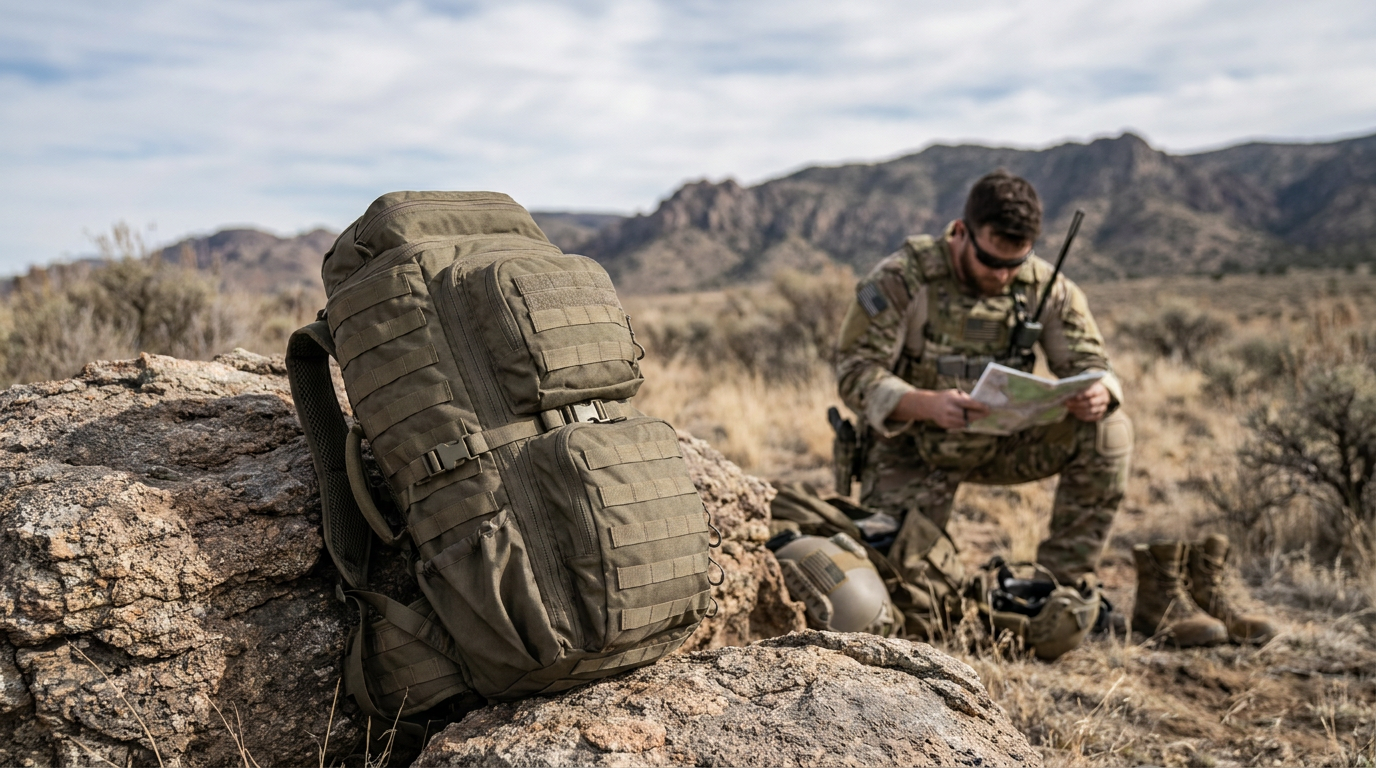
Introduction to Tactical Backpacks
In the demanding environments faced by military, law enforcement, and search-and-rescue professionals, equipment is not merely a convenience but a necessity. The tactical backpack stands as a cornerstone of this equipment, designed to withstand rigorous conditions, organize essential gear, and facilitate rapid access under pressure. Unlike conventional backpacks, tactical variants are engineered with specific operational requirements in mind, prioritizing durability, modularity, and ergonomic load carriage. Understanding the nuances of these packs is crucial for any operator seeking to optimize their readiness and performance in the field.
This article will delve into the core characteristics that define a tactical backpack, explore common design features, discuss various types tailored for different missions, and provide guidance on selecting the appropriate pack to meet specific operational demands.
Defining a Tactical Backpack
At its core, a tactical backpack is a specialized load-bearing system engineered for military, law enforcement, and search-and-rescue (SAR) applications. Its design is dictated by the need for robust construction, efficient organization, and adaptability in dynamic operational environments. Key distinguishing factors include:
- Durability: Constructed from high-tenacity fabrics such as Cordura nylon (typically 500D to 1000D), tactical backpacks are built to resist abrasion, tears, and harsh weather. Reinforced stitching, heavy-duty zippers (often YKK), and robust hardware are standard.
- Modularity: The integration of external webbing systems, most commonly MOLLE (Modular Lightweight Load-carrying Equipment) or PALS (Pouch Attachment Ladder System), allows operators to attach additional pouches, holsters, and gear. This modularity enables customization for specific mission profiles and loadouts.
- Ergonomics & Load Carriage: Designed to carry heavy loads comfortably over extended periods, tactical packs feature advanced suspension systems, padded shoulder straps, sternum straps, and often internal or external frame sheets. These elements distribute weight effectively, reduce fatigue, and maintain stability during movement.
- Organization: Multiple compartments, dedicated pockets, and internal administration panels ensure that mission-critical items are organized and quickly accessible. Hydration bladder sleeves, antenna ports, and routing channels are common features.
Common Features and Design Elements
While specific features vary by model and intended use, several elements are consistently found across tactical backpack designs:
- MOLLE/PALS Webbing: As mentioned, this external attachment system is fundamental, allowing for the addition of supplemental gear such operator chooses. For example, an operator might use MOLLE to attach a Raven Concealment Double Modular Pistol Mag Carrier to their pack, ensuring immediate access to additional ammunition during a critical response scenario.
- Hydration Compatibility: Most tactical packs include a dedicated sleeve for a hydration bladder and integrated ports for routing the drink tube.
- Compression Straps: External straps allow operators to cinch down the pack's contents, minimizing shifting and maintaining a low profile, especially when the pack is not fully loaded.
- Quick-Release Buckles: Facilitate rapid ditching of the pack in emergency situations.
- Robust Zippers: Often oversized, self-repairing, and equipped with glove-friendly pulls for ease of use in adverse conditions.
- Drainage Grommets: Found at the bottom of compartments to allow water to escape, preventing pooling and reducing weight in wet environments.
- Reinforced Grab Handles: For quick maneuvering and hauling the pack.
Types of Tactical Backpacks and Their Applications
Tactical backpacks are not one-size-fits-all; they are categorized by their capacity and specialized features to suit various mission durations and operational needs.
Assault Packs (1-3 Day Packs)
These are smaller packs, typically ranging from 20-40 liters (1200-2400 cubic inches), designed for short missions requiring immediate essentials. They are characterized by a compact profile, allowing for high mobility. An excellent example is the Eberlestock FAC Track, a 31-liter pack optimized for radio operators, which can effectively carry communications gear and essential supplies for a 72-hour period.
Patrol Packs (3-5 Day Packs)
Medium-sized packs, generally 40-70 liters (2400-4200 cubic inches), are suitable for extended patrols or missions lasting several days. They offer increased capacity for additional clothing, rations, and specialized equipment while still maintaining a reasonable degree of maneuverability. The Eberlestock G2 Gunslinger II is a mid-sized tactical pack in this category, notably featuring a full-width scabbard that accommodates weapons with larger cross-sections or bulky optics, making it ideal for precision rifle operators.
Extended Mission Packs (5+ Day Packs)
These are large-capacity packs, often exceeding 70 liters (4200 cubic inches), designed for long-duration operations, remote deployments, or situations requiring extensive equipment carriage. They often feature robust internal or external frames for optimal load distribution and support. Examples include expeditionary packs used for multi-day reconnaissance or SAR operations in austere environments.
Specialized Tactical Packs
Beyond general categories, certain packs are designed for very specific roles:
- Sniper/Recce Packs: Often integrate rifle scabbards or attachment systems for long guns, enabling operators to carry their primary weapon system hands-free. The Eberlestock LoDrag II is a staple in the precision rifle world, built around a weapon-sized scabbard, making it a prime choice for reconnaissance and sniper teams requiring a streamlined carry solution for their rifle.
- Medical Packs: Configured with numerous internal pockets and panels for organizing medical supplies, often with quick-access features.
- Breaching Packs: Streamlined designs meant to carry breaching tools and explosives with minimal snag points.
- Communication Packs: Optimized to carry specialized radio equipment, batteries, and antennas, like the FAC Track mentioned previously.
Selecting the Right Tactical Backpack
Choosing the correct tactical backpack involves a deliberate assessment of several factors:
- Mission Profile: The primary consideration. What is the duration of the mission? What type of terrain will be traversed? What specialized equipment is required?
- Capacity: Match the pack's volume to the amount of gear needed. Overpacking a small bag or underutilizing a large one can both be detrimental.
- Comfort & Fit: A properly fitting pack is paramount for long-term comfort and injury prevention. Look for adjustable suspension systems, well-padded straps, and a hip belt that transfers weight effectively to the hips. Test the pack with a representative load.
- Durability & Materials: Evaluate the construction materials and components. High-denier Cordura, YKK zippers, and robust buckles indicate quality and longevity.
- Modularity & Organization: Assess whether the pack's internal and external organization options align with your gear and access requirements. Does it have enough MOLLE for your additional pouches? Are internal compartments suitable for your specific tools?
- Weapon Integration: If carrying a primary weapon system on the pack is a requirement, ensure the pack features a dedicated scabbard or robust attachment points.
- Environmental Conditions: Consider waterproofing, drainage features, and material suitability for anticipated weather.
Deliberate Dynamics understands the unique demands placed on tactical professionals. Our selection of Arc'teryx PRO and Eberlestock packs is curated to meet these stringent requirements, offering solutions that balance innovation with proven field performance.
Conclusion
A tactical backpack is an indispensable tool for military, law enforcement, and search-and-rescue operators. Its design goes beyond simple gear transport, focusing on mission-critical features such as durability, modularity, and ergonomic load carriage. By carefully evaluating mission requirements, understanding the various types of packs available, and prioritizing fit and functionality, operators can select a tactical backpack that enhances their readiness, efficiency, and safety in any operational scenario. Investing in a high-quality tactical pack is an investment in operational success.