Low Profile Apparel
What Counts as Low Profile Tactical Clothing
The whole point is looking like everyone else in the coffee shop, the airport terminal, or the school pickup line. No MOLLE webbing on the hip. No coyote-brown cargo pockets with flap closures the size of a paperback. No tactical-branded chest logo screaming "I have opinions about pistol caliber." Look, the gear works because nobody notices it. That's the whole bet.
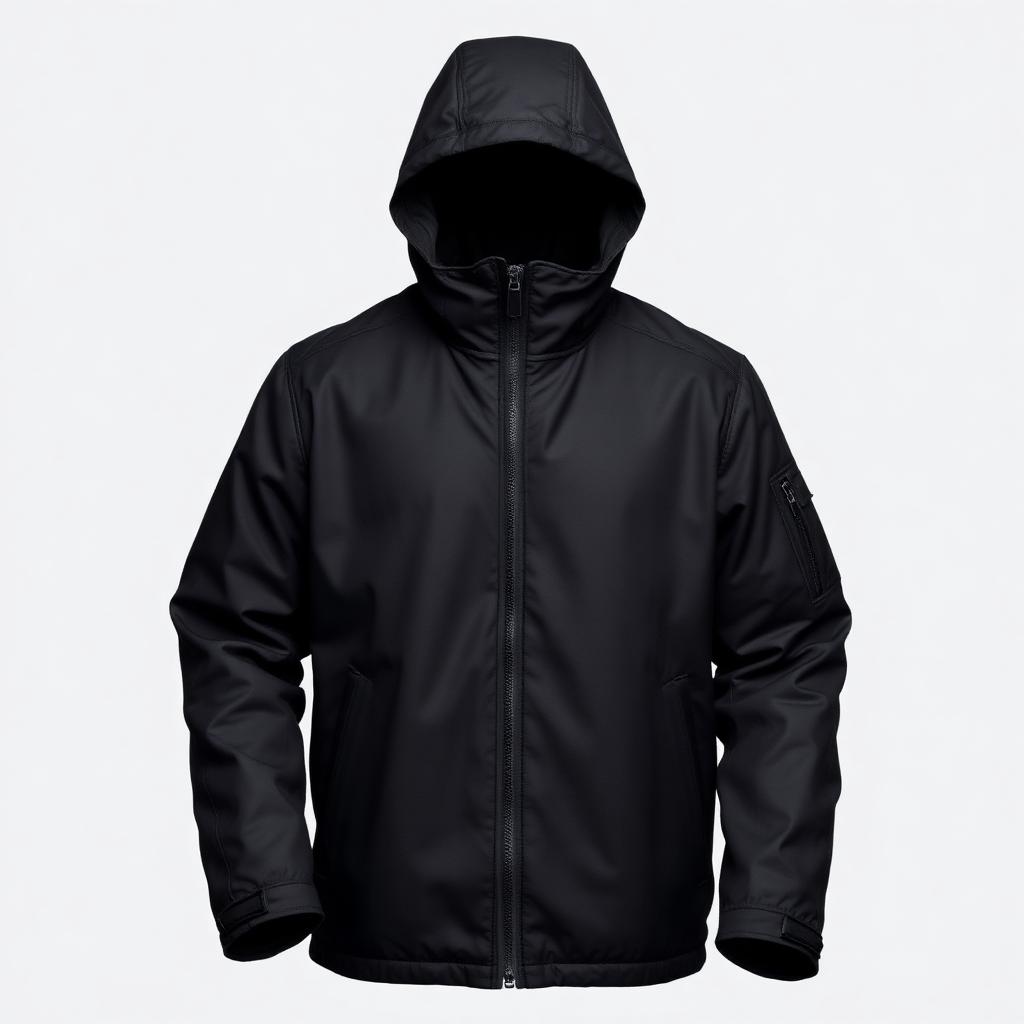
What you do get: ripstop or G-1000 fabric in clean civilian cuts, hidden seam pockets sized for a folder or a spare mag, gusseted crotches and articulated knees that let you shoot from a kneel without splitting a seam, and DWR coatings that handle weather without looking like you're prepping for the apocalypse. It's clothing built around the gray man concept. You blend, then you function. The blending part has to be convincing.
Who Actually Wears This Stuff
Plainclothes officers and detectives. Off-duty LE who still need to carry. Personal security details working executive protection where a polo and tactical pants would blow the assignment. CCW holders who don't want their wardrobe announcing their carry. Government contractors transiting through commercial airports. And, honestly, prepared citizens who picked up on the fact that overt tactical clothing makes you a target before it makes you ready.
The audience overlaps heavily with the duty-side buyers, but the use case is different. One is for the job. The other is for everywhere else.
The Brands Doing It Right
Kuhl makes up a big chunk of this collection because they figured out the formula early. The Silencr Bomber and the Rift Jacket both run REFLEX ripstop with four-way mechanical stretch and a DWR finish, but the cut reads like a Saturday afternoon, not a stack drill. Same goes for the Maverik long sleeve and the Travrse pullover. Both layer like upper-tier outerwear without looking like uniform pieces.
Fjallraven brings the Swedish outdoor heritage angle, which is useful because outdoor gear is the original gray man closet. The Abisko Lite trousers and the Greenland Half Century Jacket both use G-1000, a polyester-cotton blend you can re-wax with Greenland Wax to dial weather resistance up or down as the climate demands.
The Mammut Moench half-zip handles the alpine technical layer slot for cold-weather missions. And the Crye Precision Stretch Cummerbund is here because a low-vis plate carrier paired with a clean button-up over the top is one of the cleanest covert armor solutions in the industry.
How to Pick the Right Piece
Start with the threat environment. Urban summer in Dallas calls for a different layer system than late November in Anchorage. Then look at fit. Slim through the leg with a relaxed top half reads civilian; the opposite reads like a uniform. Bulky inseam pockets defeat the whole exercise.
Fabric matters. Don't sleep on four-way stretch. If you can't draw a sidearm from concealment in the piece without the shirt riding up to your sternum, the cut is wrong. A deeper breakdown on building out a full kit lives in our piece on low profile tactical gear, which covers bags, footwear, and accessories alongside apparel.
Care, Layering, and Reality
Most of these pieces survive a regular cold wash and a low-tumble dry just fine. G-1000 garments respond well to a Greenland Wax treatment when you want extra water and wind shedding, and you can reapply as needed after heavy use. Skip fabric softener on anything with a DWR finish; it'll trash the coating.
Layer logically. Base layer wicking, mid-layer insulating, shell shedding. Mammut and Kuhl both produce mid-layers that play nicely under a Greenland jacket or a softshell.
Frequently Asked Questions
What is low profile tactical clothing?
Low profile tactical clothing is apparel built with tactical function (concealed pocket geometry, stretch fabric, gusseted construction, weather-resistant treatments) inside civilian silhouettes. It lets the wearer carry, move, and operate without visually broadcasting any of it.
How is it different from regular tactical apparel?
Regular tactical apparel is built for combat or duty use and looks the part with cargo pockets, ripstop in tactical colorways, and reinforced load-bearing zones. Low profile clothing hides that same capability inside civilian cuts and colors, designed to disappear into daily life.
Can I concealed carry effectively under low profile tactical clothing?
Yes, and that's a primary design driver for most pieces in this collection. Look for stretch fabrics, longer hem lengths on tops, and waistbands that hold a gun belt without sag. A Crye Stretch Cummerbund paired with a clean button-up handles low-vis plate carrier setups for higher threat days.
Are these brands actually used by professionals?
Kuhl, Fjallraven, and Mammut all see widespread use among off-duty law enforcement, plainclothes federal agents, and private security operators. Crye Precision is standard issue across SOF units and tier-one agencies, and the low-vis pieces in their lineup follow the same construction standards as their assault-side gear.
How do I care for fabrics like G-1000 and ripstop?
Wash cold, tumble dry low, skip the softener. G-1000 garments accept Greenland Wax for added water and wind resistance, and the wax can be reapplied after heavy use. DWR coatings on synthetic shells need periodic refresh with a wash-in or spray-on treatment to keep their water-shedding properties intact.